



The World Cup is over, the off-season has ended, and training nights are back on the calendar. For grassroots coaches across the country, pre-season is underway.
The temptation at this point is to hit the ground running. Big fitness sessions, new systems to implement, full-sided games to assess where everyone is. There’s a lot to cover and not much time.
But the clubs that tend to start the season well aren’t always the ones who worked hardest in pre-season. They’re the ones who planned it properly.
Pre-Season Has a Purpose - and It Isn’t Just Fitness
Most grassroots coaches treat pre-season primarily as a fitness phase. Get the players running, get them sharp, and worry about the football once the season starts.
The problem is that by the time the first fixture arrives, players can be fatigued rather than ready.
Professional clubs build their seasons around periodisation - distinct training phases with specific goals. Pre-season is designed as a gradual build toward match readiness, not a period of maximum effort. Loading players too hard too soon leads to fatigue, minor injuries, and players who peak in August rather than when the season matters.
For grassroots coaches, the principle is straightforward: pre-season should build players up, not wear them out.

Get the Technical Foundation Right First
Before shape, set pieces, or tactical work, players need to feel comfortable with the ball again.
Most will have had some time away from structured football over the summer. Even those who stayed active will need a few sessions to get their touch back to where it was in May.
Prioritise technical repetition early. First-touch exercises, passing patterns, small-sided games with tight spaces that force quick decisions - these reconnect players with the habits they built last season and create a foundation for everything that follows.
Coaches who jump straight into tactical sessions before players have found their feet with the ball often find the early part of the season frustrating. The groundwork wasn’t laid.
Small-Sided Games Do More Work Than You Think
One of the most effective pre-season tools a grassroots coach has is also the simplest: the small-sided game.
Formats like 4v4 or 5v5 generate far more touches per player than full-sided games do. They create more decisions under pressure, more transitions, and more opportunities to practice the technical skills that matter in real match situations.
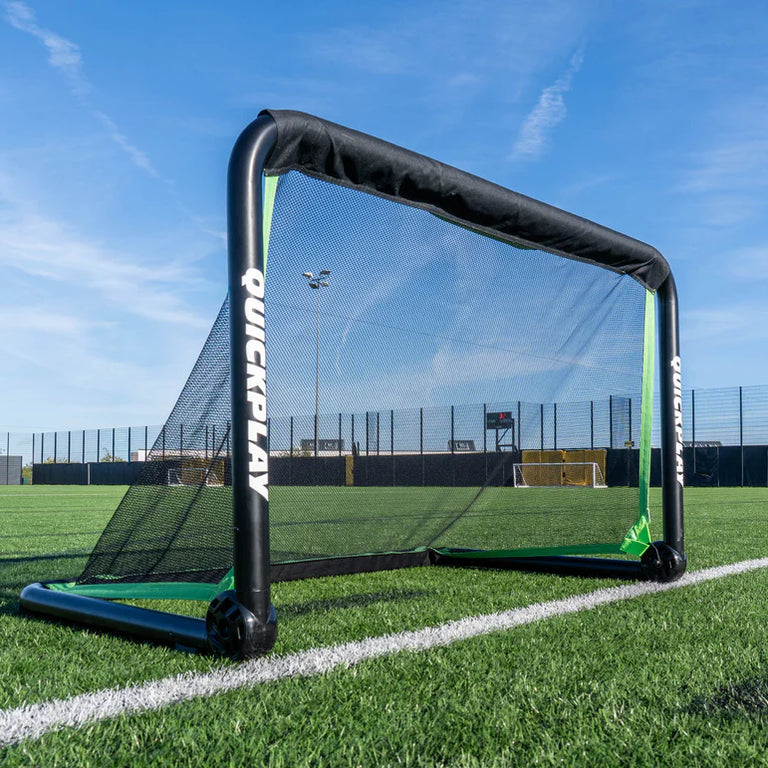
They’re also easier to set up. A portable goal at each end of a small pitch creates a training environment that’s competitive without being complicated. Players are engaged from the first minute rather than standing around waiting for the ball.
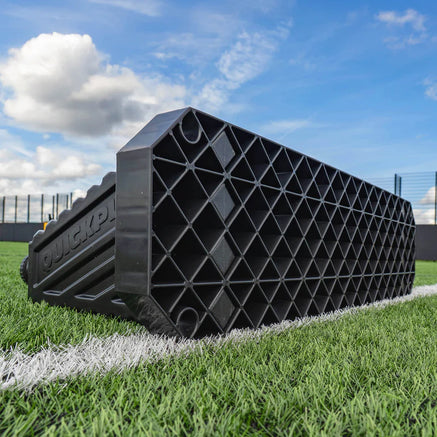
Running small-sided games as the backbone of early pre-season - with fitness as a by-product of intensity rather than a separate running session - tends to produce sharper, more confident players by the time the season starts. QUICKPLAY’s portable goals are built for exactly this kind of session - quick to move between formats, stable enough to take a proper shot.
RHINO Goal
|
KICKSTER Elite
|
KICKSTER Pro
|
Don’t Neglect the Mental Side
Physical readiness gets most of the attention in pre-season. Mental readiness is just as important.
Players returning after a break often need time to reconnect with the team environment - the rhythms of training, the expectations, the relationships. For younger players especially, the transition back into a structured football setting can take a session or two.
Building some unstructured time into early pre-season - a relaxed finishing session, a game with no tactical instructions - gives players space to find their feet before the serious work begins. The FA’s Long Term Athletic Development framework supports play-based elements even within organised training, particularly for youth players. A player who feels comfortable in the training environment will develop faster than one who feels under pressure from the first session.
Set the Standard Early
Pre-season sets the tone for the entire season.
The habits players build in these first few weeks - how they communicate, how they work in small groups, how they approach their own development - tend to carry through to April.
That means pre-season isn’t just about fitness or tactics. It’s about the environment the coach creates from day one.
Keep sessions purposeful. Keep the ball moving. Keep the standard high even when results don’t matter yet.
The season starts long before the first fixture.